
Saudi Arabia Joins US-Iran War: Strikes on Iran-backed Unit in Iraq
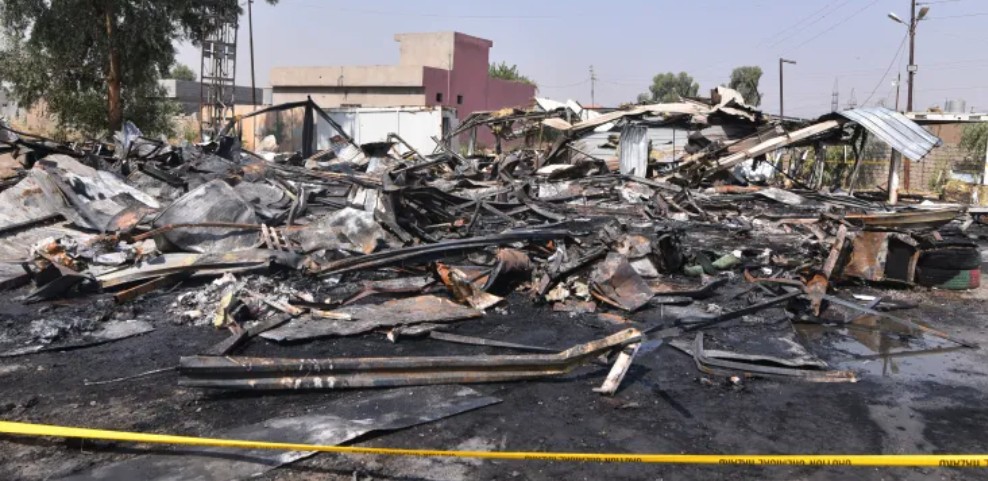
Saudi Arabia officially Joins the US-Iran War. Saudi Arabia and the US have launched joint attacks on Iran-backed units in Iraq, signaling a possible escalation of the Middle East conflict. Iraq’s paramilitary Popular Mobilization Forces (PMF), which is run by Iran-backed Shiite Units, said at least 20 of its members were killed in US-Saudi strikes on their bases. It came hours after CENTCOM said Iran had fired missiles at US forces in the Middle East in an ‘attempt to launch a surprise attack’, breaking a brief lull in tensions.
The IRGC said it had targeted a US airbase and a Command center in Jordan in response to the military offensive by US Airforce that has killed children. It also said naval forces had attacked three oil tankers in the Strait of Hormuz after they ‘disregarded’ warnings and sailed a ‘dangerous and illegal route’ through the vital Gulf waterway.

CENTCOM said the joint US-Saudi strikes targeted multiple terrorist logistics and weapons sites in eastern Iraq, a strong response to more than 30 IRGC-directed aerial drone strikes in the past 72 hours.
Saudi Defense Ministry spokesman Major-General Turki al-Maliki also alleged that ‘Iran-backed forces’ launched drones from Iraqi territory on Monday and Tuesday at oil facilities in the eastern and Riyadh regions.
The PMF said in a statement on Wednesday morning that at least 20 of its fighters were killed and 32 others were wounded in US-Saudi air strikes that hit several of its headquarters in Baghdad, Wasit, Nineveh, Basra, Kirkuk, Karbala and Diyala provinces.
“The Kingdom of Saudi Arabia reiterates that it does not seek escalation but will respond decisively to any aggression directed against it,”
Maj-Gen Turki al-Maliki- Spokesperson- Defense Ministry, Saudi Arabia
The Iraqi Presidential Office condemned the bombing of PMF positions, calling it ‘an unacceptable attack and a clear violation of Iraq’s sovereignty, which targets its official institutions’.
Iran’s Foreign Ministry also condemned the attacks on Iraq, saying they were a “gross violation” of international law. He also claimed that these were part of a US-Iraq strategy to “escalate the war” in the Middle East and warned that the US and “its allies” would be responsible for any “dangerous consequences”.
The renewed standoff between the US and Iran came two days after President Donald Trump spoke of “very friendly talks” to resolve the dispute over the Strait of Hormuz. At that time, both sides were not launching any attacks for three consecutive days.
“US forces would be hitting them hard: They’re going to get a beating.”-
President of the United States
Oil prices rose on Wednesday on concerns that an escalation of the conflict could further impact energy shipments through the strait, which has been effectively closed since the US and Israel began war with Iran in late February.
Failed Diplomacy Troubles Peace Prospects for US-Iran War
The Trump administration does not appear to have a strategy for resuming talks with Iran to end the US-Iran War.
Despite efforts by some mediators to restart talks or at least find a point from which they can restart, the administration is not actively negotiating at this time, a senior U.S. official said.
Recent developments in the region suggest no possibility of resumption of direct diplomacy.
The continued fragile situation attributes this uncertainty and lack of strategy to a deep, growing mistrust between Washington and Tehran, especially as a temporary cease-fire proposal signed in mid-June has failed to materialize.